
Young audiences are growing up in an environment where news competes for attention with video creators, personalized recommendations and endless feeds. For traditional media, this is about more than reach: the very way people learn about events and decide whom to trust is changing.
According to the author of the original article, published in March 2026, simply publishing articles more frequently is not enough for publishers. They need to account for the characteristics of each platform, develop recognizable voices and create value for audiences beyond their own websites.
Interest in news is declining
Between 2015 and 2024, interest in news fell by 40% among 18–24-year-olds and by 38% among 25–34-year-olds. In the younger group, the decline amounted to 22 percentage points. Interest also fell in other age groups, but the change was particularly pronounced among young people.
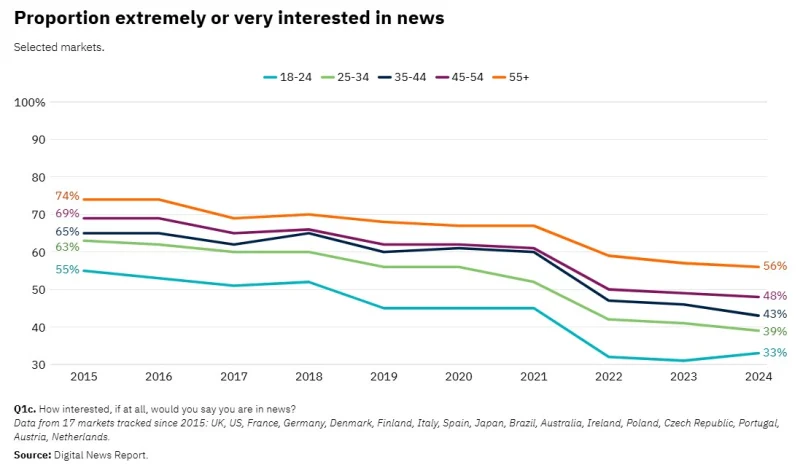
The author links this not only to the state of the media market but also to how publications present their content. News can feel depressing and disconnected from young people's experiences, while content creators offer a more personal and familiar way of communicating.
The original article also cites an estimate that the average teenager spends 7 hours and 22 minutes a day in front of screens, including almost five hours on social media and more than three hours watching videos. The author notes that the cited reports do not show how much time is spent specifically on reading. These figures should not simply be added together, as the categories may overlap.
Social media has become a source of news and trust
According to a study by IPSOS and Joe, 56% of men and 60% of women aged 16–34 get most of their news from social media. YouTube is not included in that category: it was named separately by 16% of young men and 9% of women.
Meanwhile, 72% of young men and 47% of women trust YouTube. Misinformation in the content they consume concerns 79% of respondents. Trust in news on social media among this age group rose from 45% in 2024 to 52% in 2025.
Growing trust does not mean the risk of misinformation has disappeared. The author suggests that personalized recommendations may reinforce existing views, but does not claim that this explains the study's findings. The challenge for newsrooms is to understand the different information environments their audiences inhabit and counter the spread of inaccurate information.
People may matter more than media brands
Rather than connecting only with a publication, audiences are increasingly building relationships with individual creators. A 2023 Goldman Sachs report on the creator economy valued the market at $250 billion and projected it would grow to nearly $480 billion by 2027. This is a forecast, not a confirmed result.
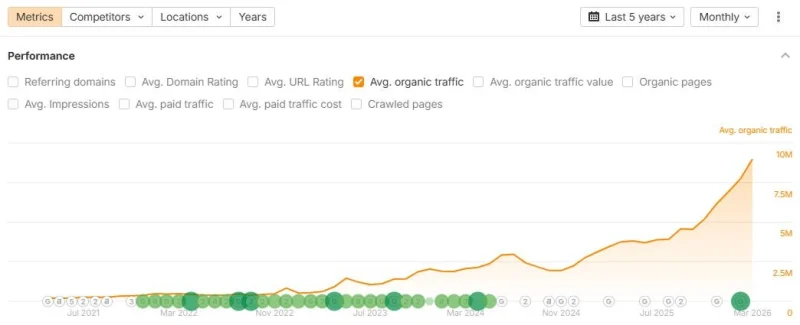
The author of the original article believes that trust in individuals can also benefit media brands: a recognizable journalist or presenter can attract an audience to a publication. However, this strategy carries the risk that the creator may leave and take some followers with them.
One example is Dave Jorgenson, who worked as a senior video producer at The Washington Post from 2017 to 2025 and launched the publication's TikTok channel in 2019. Another approach is partnerships between brands and independent creators, which Future is developing through Future Collab.
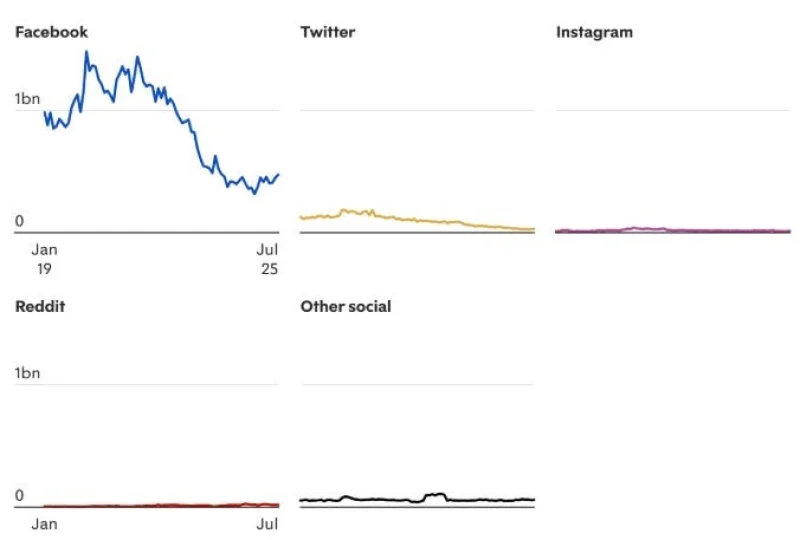
The author also points to the growth of platforms featuring user-generated content, including Reddit and Substack. In the author's view, interest in personal perspectives and less standardized content reflects a broader shift in the relationship between audiences and media.
Content discovery happens off-site
For young users, Google Search is not necessarily the first port of call online. Yet many news organizations have spent years building businesses around referrals from external platforms. The original article states that referral traffic is declining, although Google remains a particularly valuable source of last-click conversions.
The author cites a formulation attributed to Rand: for every website visitor, another ten people encounter the brand on third-party platforms. This is a useful illustration of the problem of platform dependence, not a universal figure supported by a separate study in the article.
The author observes that Google increasingly displays user-generated content, videos and answers directly in search results. For publishers, this means audiences may encounter their content without visiting the website, and performance cannot be measured by clicks alone.
Short-form video requires different skills
Short videos account for a significant share of the content young audiences consume. The original article says that the average time a user spends on TikTok has risen by nearly 43% since 2024. The author notes that the figures came from several platform reports and are not entirely consistent with one another.
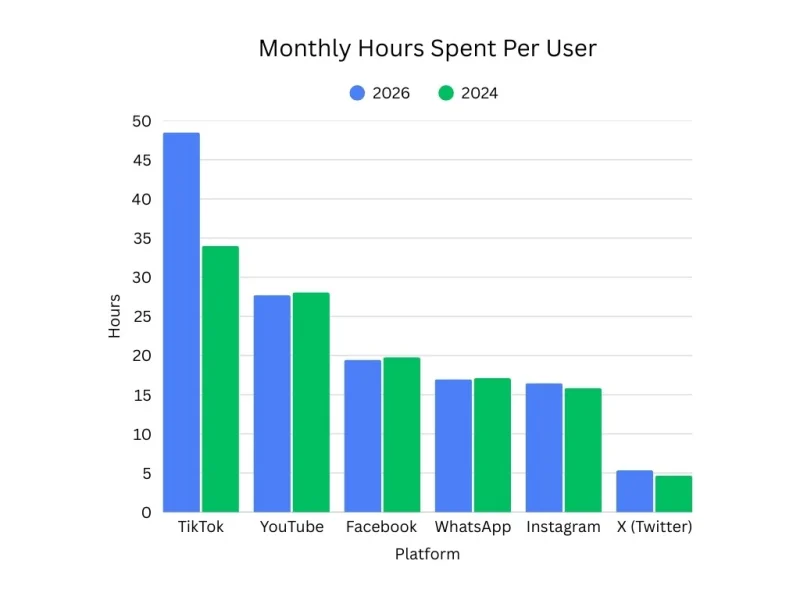
Working in video requires not only journalistic skills but also the ability to appear confident and engaging on camera. According to the author, publishers struggle to find people who combine these qualities, and successful presenters may prefer to work independently.
At the same time, posting links to articles on social media does not always suit how platforms work. The author recommends creating content specifically for each platform: sharing videos, photos and quotes, responding to comments and holding Q&A sessions with the authors of major stories. The goal of such contact may not be immediate conversion, but meaningful interaction, having users save the content or building brand awareness.
How New York Times expanded its subscription model
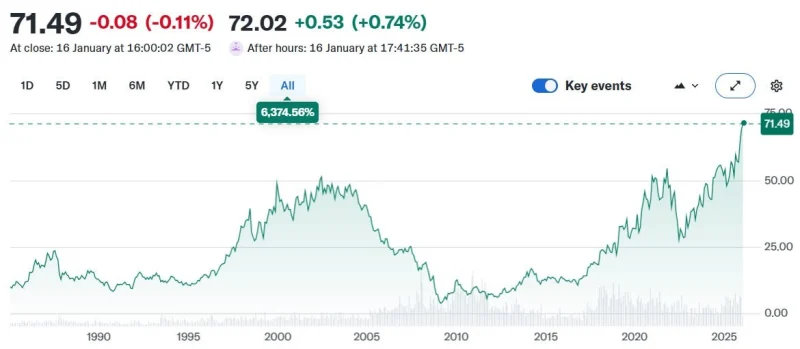
The author examines New York Times as an example of diversification. According to figures cited in the article as of March 2026, the company had more than 12 million subscribers, including over 11.3 million digital-only subscribers. Subscription revenue for the reporting period cited in the source rose 9.6% year over year to $481.4 million, while digital advertising revenue rose 18.7% to $94.4 million.
The publication developed products beyond news, including games and its sports offering, The Athletic. According to the figures cited in the article, around 1.5 million people subscribed only to news, while 10.8 million used bundles or other individual products.
This does not mean that all bundle subscribers opted out of news: the figure only indicates how many people subscribe exclusively to the news product. The author sees the company's strategy as a way to reduce dependence on a single business area.
How newsrooms can respond to content overload
It is difficult for small newsrooms to compete with platforms on publishing volume. Audiences' attention must also increasingly be shared with AI-generated content. As Search Engine Journal reports, citing a Kapwing study, such content accounted for 21% of YouTube Shorts shown to new users. The study of 15,000 popular channels also identified 278 channels that published only this kind of content: together, they accounted for 63 billion views, 221 million subscribers and an estimated $117 million in annual advertising revenue.
The author suggests that newsrooms focus not on the race for volume, but on accuracy, trust and a lasting connection with their audiences. BBC Verify is mentioned as an example of fact-checking work.
The practical questions for publishers remain the same: how to find the right audience, stand out in a crowded stream of messages and become part of people's habits. In the author's view, the answer lies in choosing the right time, place and format—whether the content entertains, educates, helps people take action or draws them into a conversation. It is also important to consider the circumstances in which young people face work, financial difficulties and the constant presence of screens.
Source: https://www.searchenginejournal.com/why-we-need-to-talk-about-young-people/568903/
Discussion
Sign in or create an account, to join the discussion.