
In November 2026, Google completed another core search update and announced the next one in advance. The company also published guidance on submitting feedback and allowing access for Google-Agent. Meanwhile, a W3Techs study recorded a decline in WordPress’s market share, and Salesforce made mixed statements about the future of SEO.
November update completed, December update announced
Google’s core update, which began on November 10, 2026, was completed on November 24, within the announced two-week window. About an hour later, the company announced on the Search Status Dashboard that the next update was scheduled for December, without specifying a date.
According to the announcement, the December update will affect how Google’s systems understand and rank relevant content, including for long and complex queries, as well as personalized results for users who have enabled the feature.
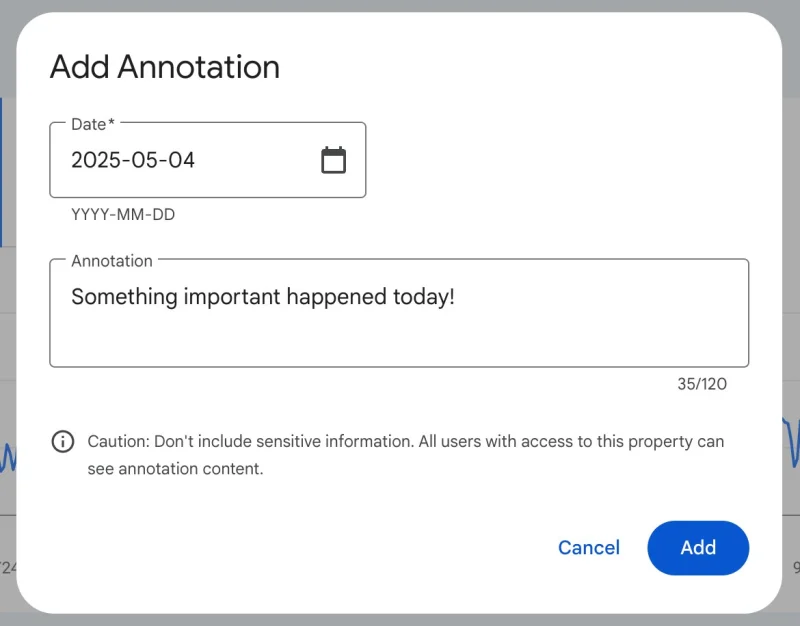
Google recommends waiting until a full week after an update is completed before assessing changes, and comparing that week with the week before the rollout began. For the November update, that period is November 25 through December 1, which includes Thanksgiving and Cyber Monday in the US. Meanwhile, the December update could begin as early as December 1. For analysis, you can add an annotation in Search Console marking the completion of the November update, then add another for the start of the December update once the date is published.
Notifications, feedback, and appeals
In new Search Central materials, Google outlined its notification process for policy changes and significant ranking changes, including core updates. Site owners receive notifications about potential changes that could significantly affect users in the UK, in accordance with fair ranking requirements set by the UK’s Competition and Markets Authority.
Verified site owners can provide feedback using the Submit Feedback button in Search Console, identifying the update with a hashtag such as #NovemberCoreUpdate2026. Google clarifies that such feedback does not lead to manual adjustments to individual URL rankings. Once data is available in Search Console, site owners can attach a snapshot of the performance report and identify affected queries and pages.
Starting December 17, sites that provide services to users in the UK and have been manually removed from Google’s index in their entirety will be able to appeal under the UK CMA process. Google publishes the announcement, start, and completion dates of updates on the Search Status Dashboard, whose RSS feed can be subscribed to.
How to allow Google-Agent through security systems
On November 17, Google added a guide to configuring CDNs, web application firewalls, and bot detection tools for Google-Agent, the name used by the company’s agents when they visit sites and perform actions for users.
According to Google, requests contain Google-Agent in the User-Agent header and originate from IP addresses listed in the user-triggered-agents.json file. Requests made as part of the Web Bot Auth experiment also contain a digital signature. The guide recommends allowing verified requests through without bot checks.
When configuring these systems, Google advises checking rule priority, CAPTCHAs in search and forms, actions such as adding items to a cart and making bookings, and rate limits for shared IP addresses. A rule for a verified agent should apply not only to the first page but also to search, cart, booking, and API requests. The guide does not specify which Google products use Google-Agent.
WordPress market share declined in W3Techs study
According to the daily updated W3Techs study, WordPress was used on 38.4% of all websites as of November 23, 2026, compared with 43.2% a year earlier. Over the same period, the share of sites on which none of the CMS platforms tracked by W3Techs was detected rose from 28.6% to 33.0%.
The latter group includes both sites without a CMS and sites using systems that W3Techs does not track. Therefore, before an SEO audit, it is worth finding out which tools manage titles, canonical URLs, robots meta tags, and sitemaps rather than assuming a particular plugin or platform settings are in place.
Salesforce on SEO and answer engine optimization
On November 18, Salesforce CEO Marc Benioff ended an X post about the Palmata product with the phrase, “Goodbye, SEO. Hello, Palmata!” The product tracks what AI assistants say about a company. According to Benioff, buyers no longer search for information but ask assistants which brands to choose.
However, a Salesforce guide published on September 11 calls SEO a foundation and says it will not disappear, although relying on it alone creates a blind spot for new business. The guide’s author, Graham Hardt, identified as senior director of SEO, describes SEO and AEO—answer engine optimization—as two layers of visibility for the same audience. He recommends tracking organic traffic and rankings as well as mentions in AI answers.
Discussion
Sign in or create an account, to join the discussion.