 Aila Lab Affiliate network

Social proof plays a key role in building trust and encouraging audiences to buy. Let’s look at the main ways to use it.
Examples of social proof
1. Customer reviews

Reviews are one of the most powerful tools for influencing customers. Featuring reviews from satisfied customers on a landing page increases the conversion rate by 17.4%. It’s also important to post them on social media. Ask for feedback, create images featuring review quotes and share them with your audience.
2. Comparison sites
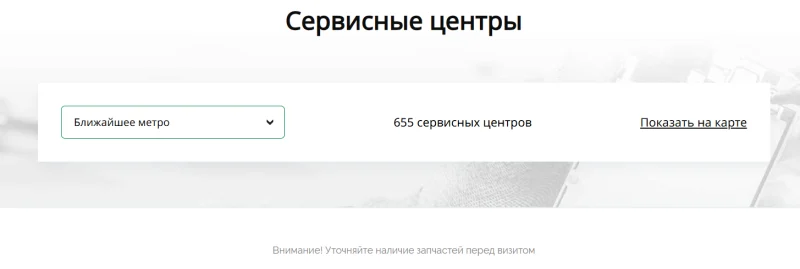
Review sites also help persuade potential customers. Some charge for placement, while others publish reviews for free. Keep track of the sites your audience visits and try to get featured on their homepages.
3. UGC (user-generated content)
Content created by customers themselves is perceived as more genuine than traditional advertising. 76% of people use social media to discover new products, so UGC – a powerful sales tool. Encourage customers to share photos and videos featuring your product using a unique hashtag.

4. Case studies
Show your audience real examples of your product being used successfully. Demonstrate how it solves a problem and share your customers’ achievements. You can publish these case studies on your website and social media.
5. Statistics and numbers
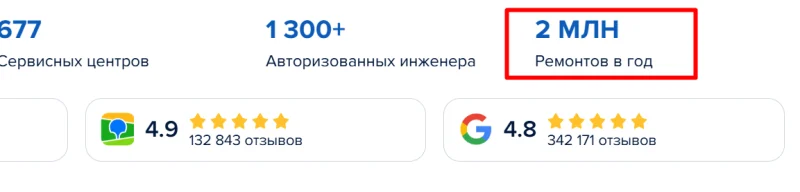
Specific data is more convincing than general statements. For example:
- "We helped more than 100,000 customers solve their problem in 1 month" sounds more convincing than simply "We help solve the problem". Use numbers to build trust.
6. Influencers

Recommendations from well-known figures can help attract customers. You can use quotes from respected professionals or reach out to bloggers and experts in your niche.
7. Social media presence

A large following inspires trust. Grow your social media presence, run contests and giveaways, and link to your accounts on your landing page.
8. Purchase notifications
Pop-up notifications indicating that a product is in demand (for example, "Only 3 left") create a sense of scarcity and encourage purchases.
9. Certifications

Certification logos at the bottom of a website build trust. They confirm the quality and safety of the product.
10. Security badges
Online fraud concerns many shoppers. 59% of people are now more worried about payment security than they were a year ago. Adding security badges to a landing page helps ease your audience’s concerns.
How to implement social proof
Start simple: add security badges and purchase notifications. Ask for reviews, conduct surveys and offer bonuses for feedback. Don’t forget to respond to all comments – even negative ones. This will help you build trust with your audience and improve your brand’s reputation.
👍🏻 If you found this article useful, give it a like!
Aila lab affiliate network – you drive the traffic, and we’ll provide the offers and on-time payouts!
Chat https://t.me/SXur2CxJEQyNDgy
Discussion
Sign in or create an account, to join the discussion.